This case study shows how MaxDiff image analysis helps brands objectively compare packaging designs, including testing whether existing labels still hold up against fresh concepts before committing to a redesign.
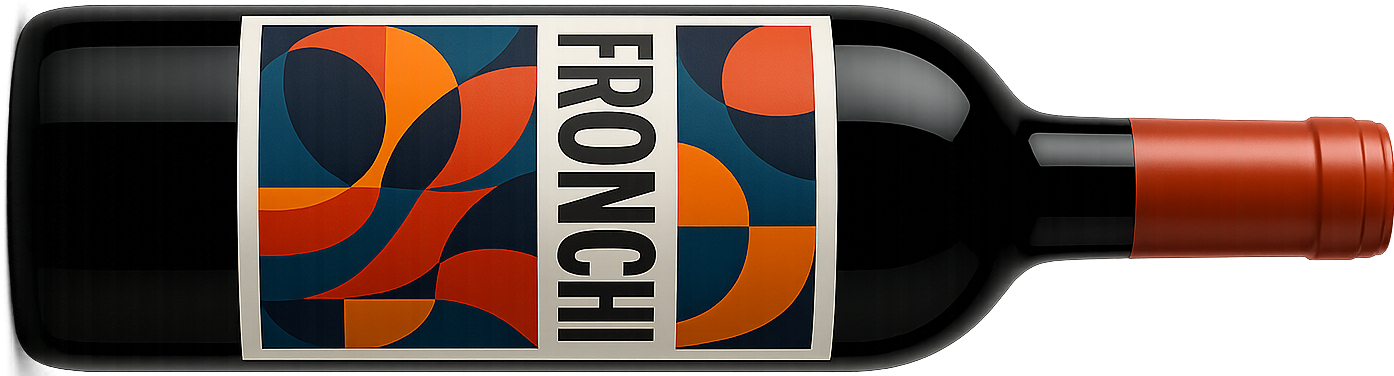
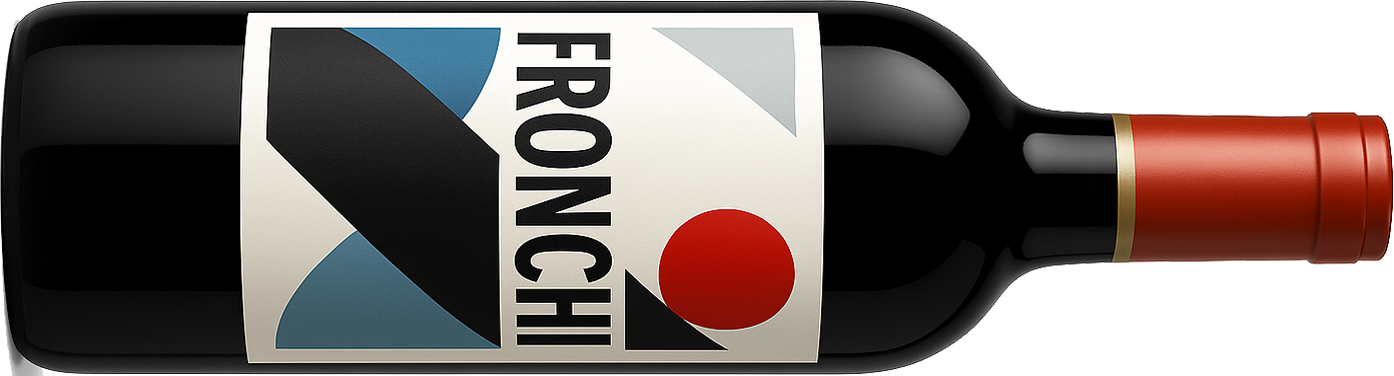
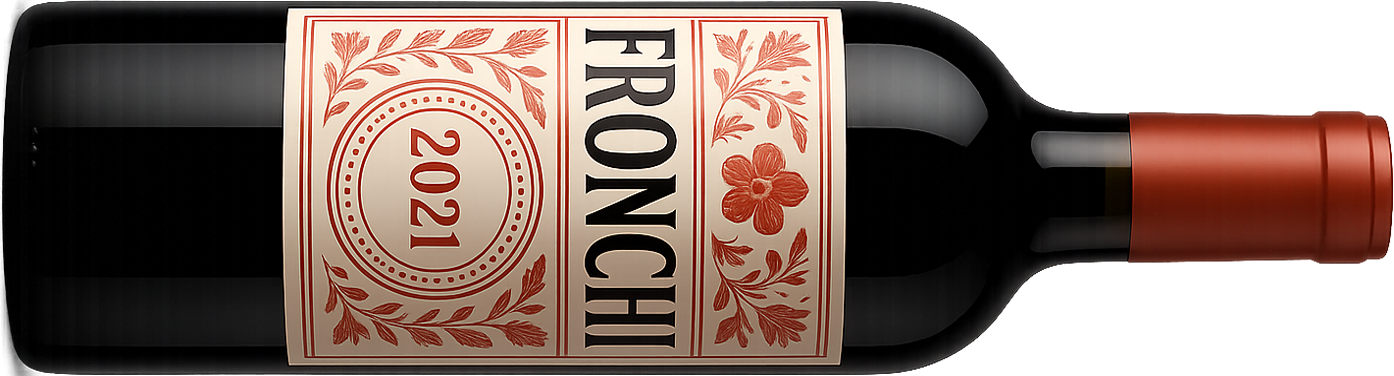
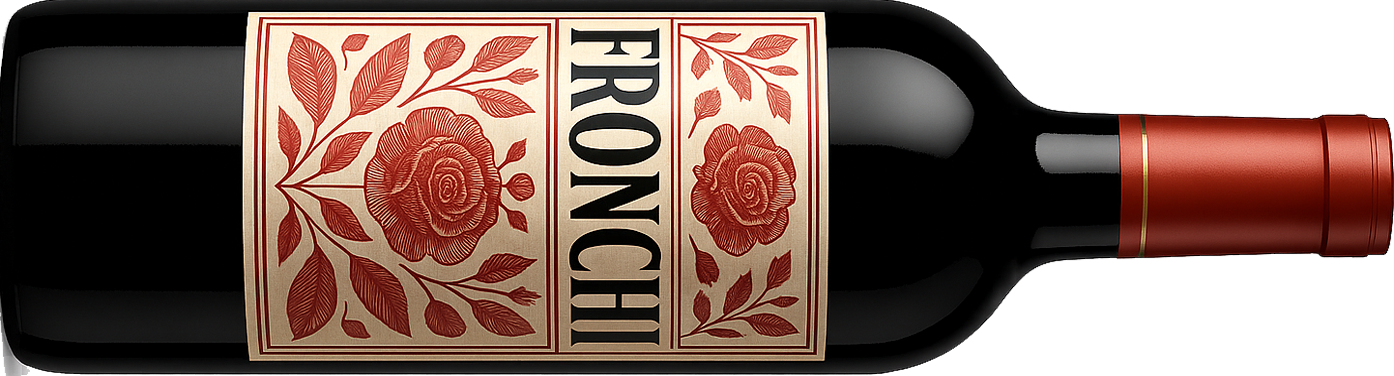
A winery had 14 label visuals for its new bottle range. Two labels were already used in stores, while 12 were new concepts. The team needed to know if the existing labels were still competitive or if new visuals should replace them.
To objectively compare all 14 label designs, the winery ran an image-based MaxDiff study (Maximum Difference Scaling) with 250 consumers. The study was conducted with MaxDiffPro, the AXYZ Analytics platform for MaxDiff studies. Respondents repeatedly selected the most and least appealing label in rotating image sets, producing a directly comparable preference ranking.
Notably, all three top-ranked labels are exclusively new design concepts.
New labels occupy the top 5 ranks. Existing labels squeezed into positions 6, 7, and 11 with scores of 76%, 71%, and 42% - a significant preference drop that validates an immediate redesign.
Instead of relying on internal preferences, the brand identified which packaging options actually drive sales in-store.
Image-based MaxDiff ranking across existing and new label visuals
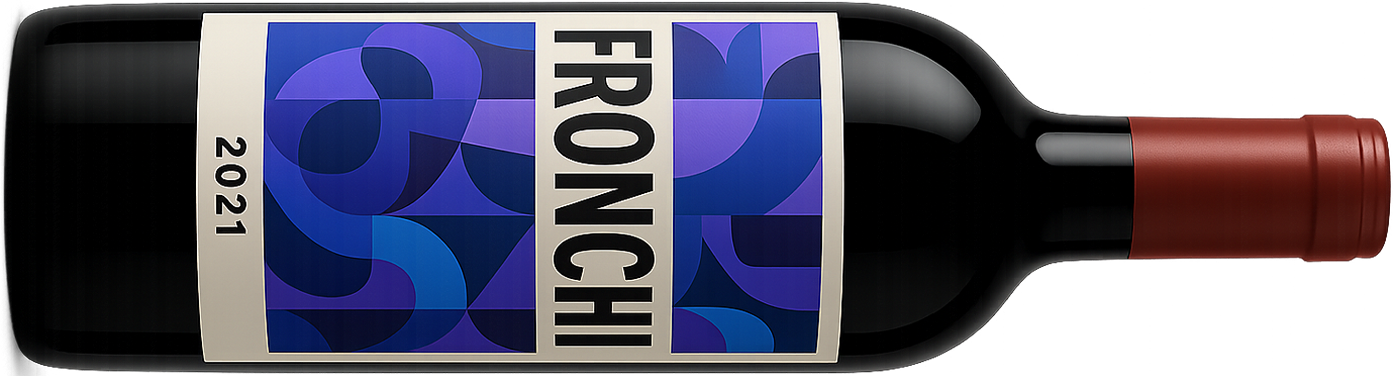
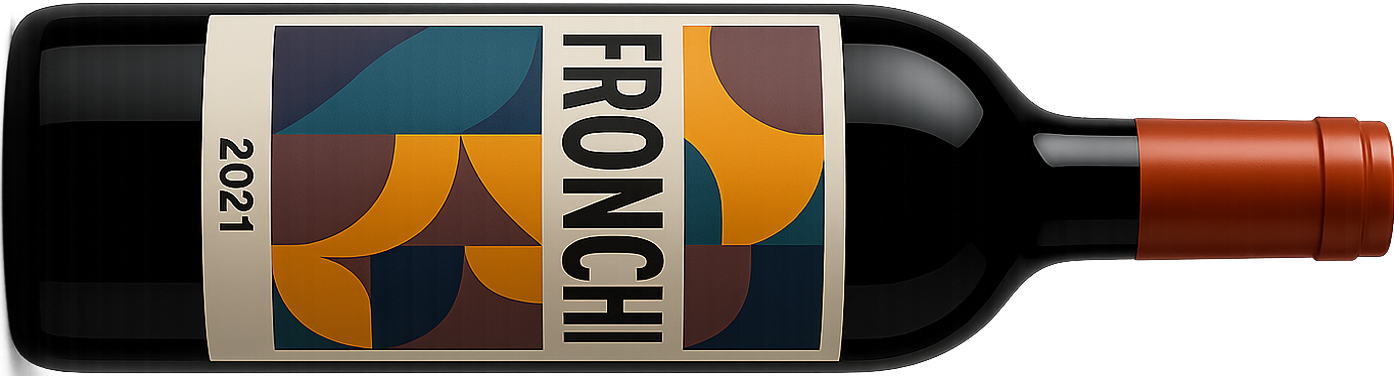
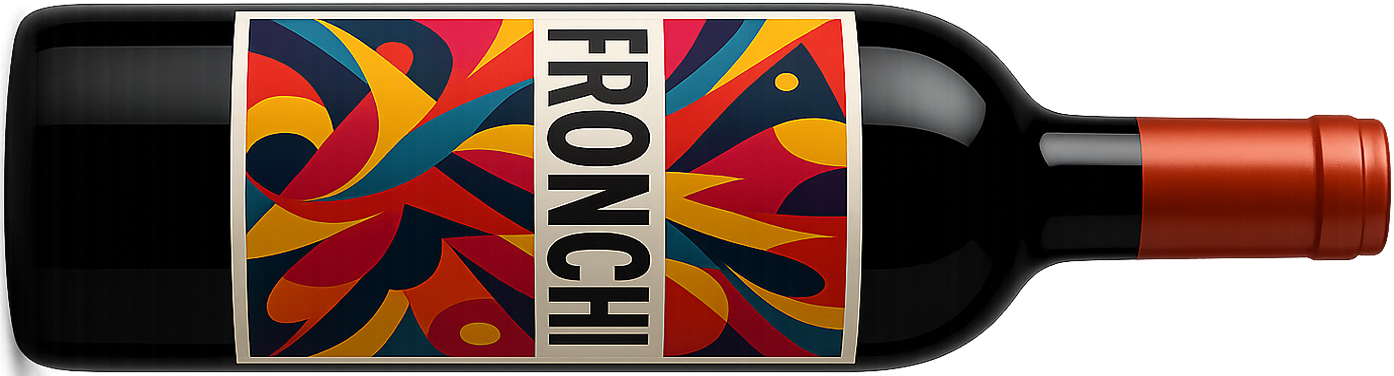
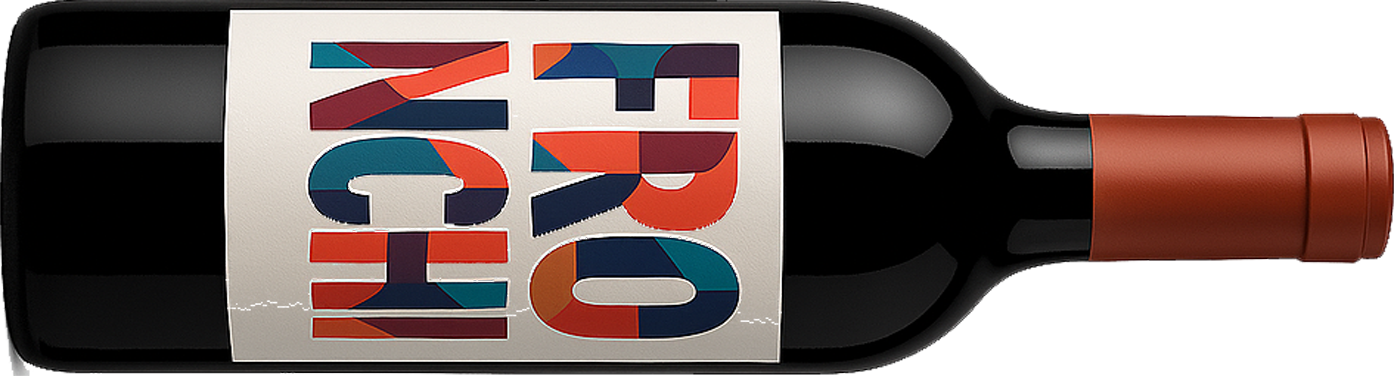
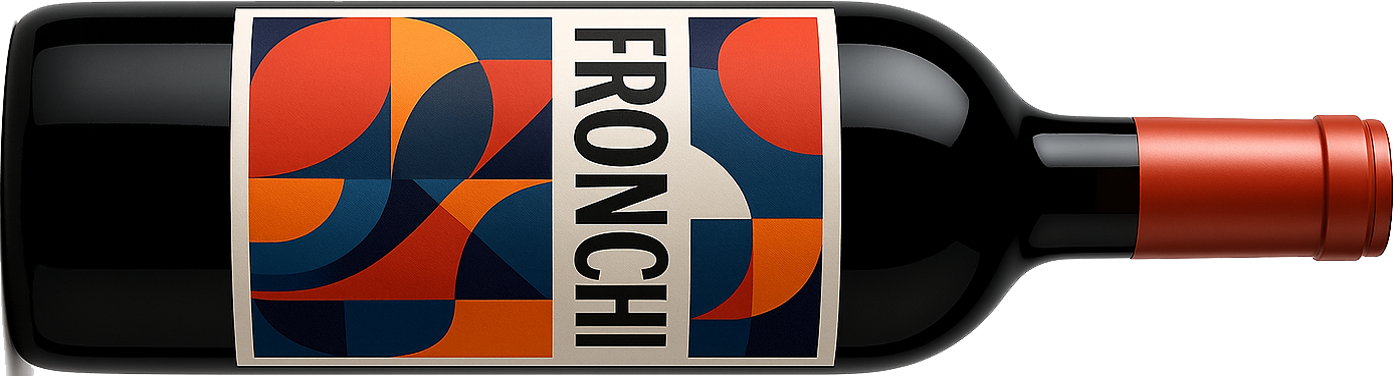
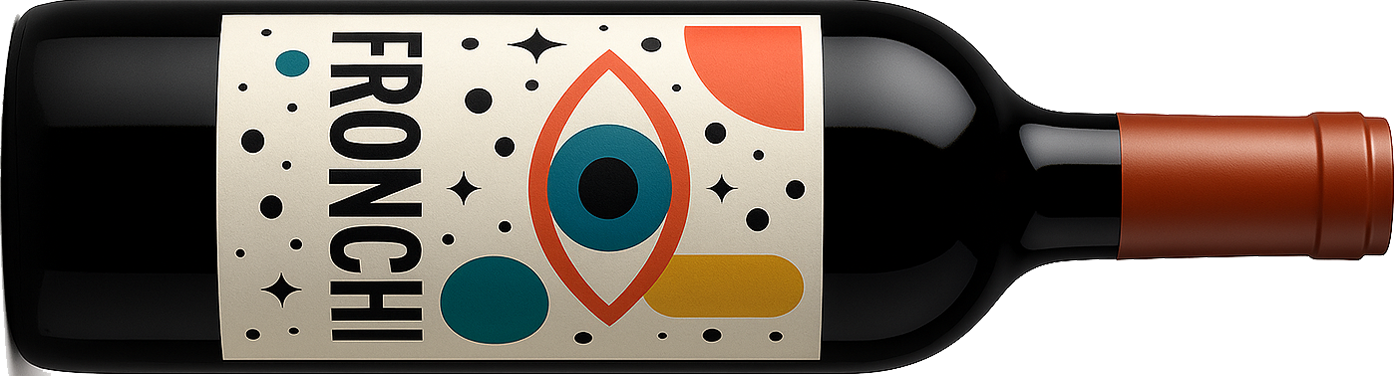
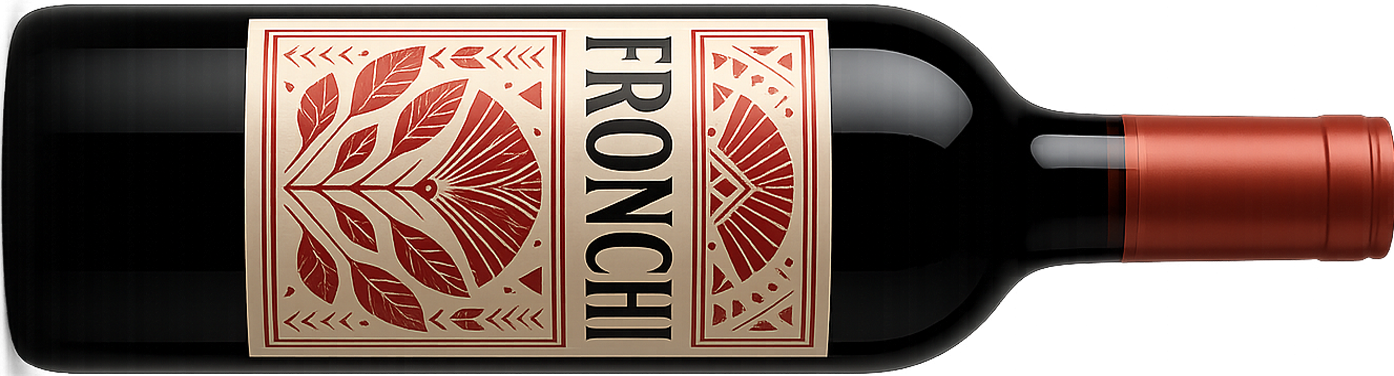
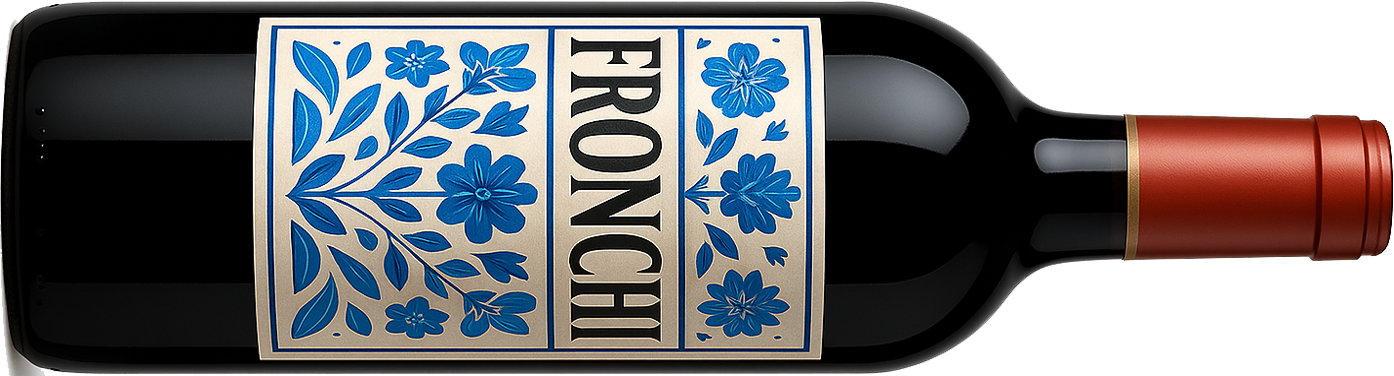
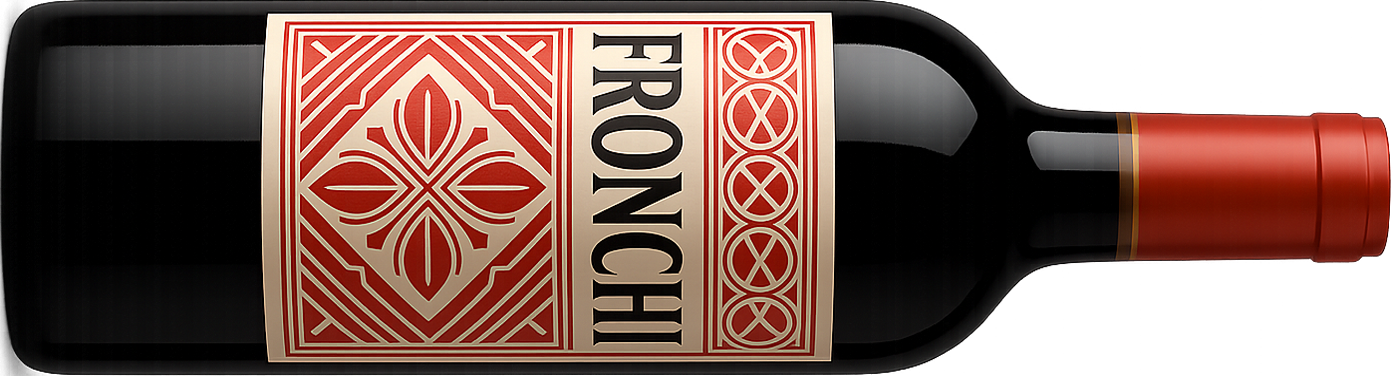
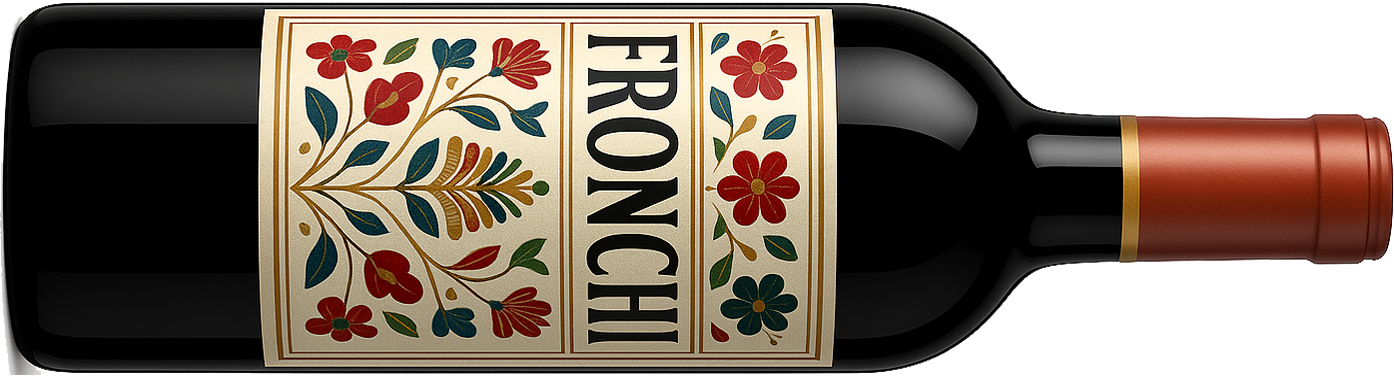
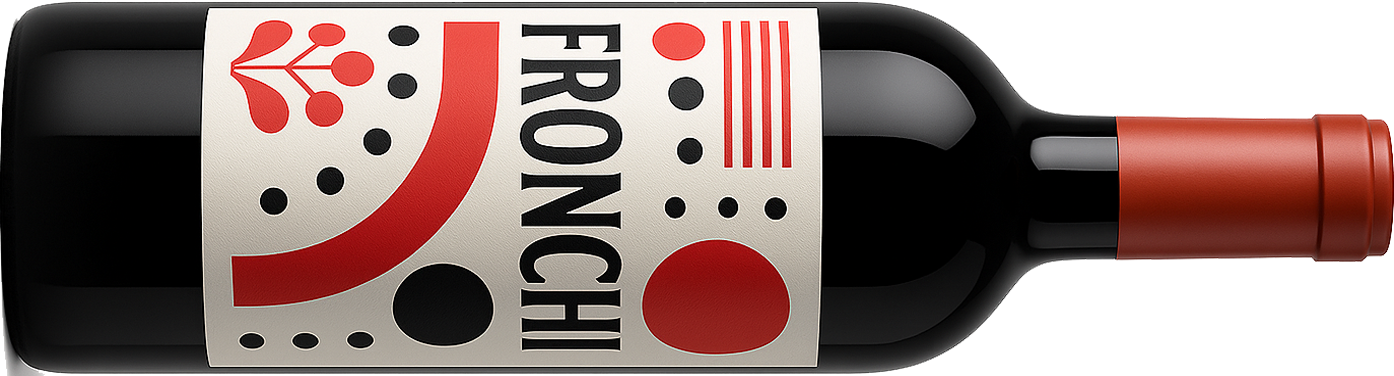
This case study was derived from a real study conducted by MaxDiffPro. It has been anonymized for confidentiality: the tested options and results shown here do not correspond exactly to reality. The actual study had the following characteristics:


The timeline depends on the complexity of the study and the target audience.
MaxDiff analysis supports visual stimuli: respondents see actual label images and choose the most and least appealing in each set. This produces a reliable visual preference ranking free from the courtesy bias that distorts focus group results. The method also directly compares existing packaging against new designs, making it the most efficient way to validate a redesign decision before committing to production costs.
We can design a focused MaxDiff study around your category, audience, and decision.
Typical study: 15–25 items tested · 150–300 respondents · Results in 3–5 days
Book a 20-min demo