This case study shows how MaxDiff analysis helps companies select the most effective logo based on real customer preferences rather than internal opinions.
A transport company established for over 25 years wanted to modernize its visual identity. Its historic logo had become outdated and no longer reflected its positioning: a fast, reliable company focused on modern logistics.
The marketing team worked with a designer to create 12 new logo concepts. But a problem quickly arose.
Internally, opinions were completely divided:
Choosing based solely on internal opinions carried significant risk. A poor choice could weaken the brand image, reduce credibility with B2B clients, and make trucks less recognizable on the road. Internal opinions were divided - and the wrong choice could weaken the brand.
The question was simple: which logo best represents the company in the eyes of the market?
To answer this question, the company used MaxDiff analysis (Maximum Difference Scaling), a best-worst choice method that ranks options by real trade-offs rather than flat ratings. The study was run with MaxDiffPro, the AXYZ Analytics platform dedicated to MaxDiff studies. The 12 logos were tested with both business decision makers in the transport and logistics sector (n = 98) and general consumers (n = 100).
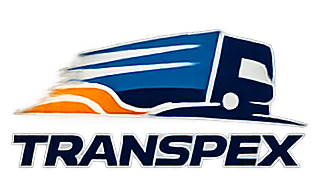
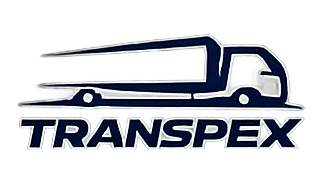
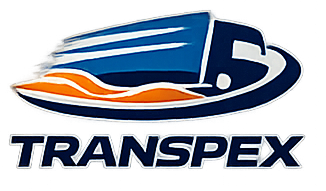
The highest-scoring logos share key characteristics: a simple, memorable shape and a sense of movement and speed.
These traits are especially critical in transport, where the logo must be instantly identifiable on trucks, warehouses, and commercial documents.
Thanks to MaxDiff analysis, the company was able to select a logo validated by the market, avoid a decision based solely on internal opinions, and secure the launch of its new visual identity.
The new logo was then deployed on:
Result: A stronger and more consistent brand image across all touchpoints.
MaxDiff ranking of 12 logo concepts tested with transport & logistics professionals + general consumers
Score Ranking:


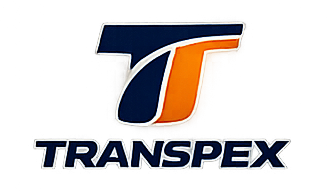
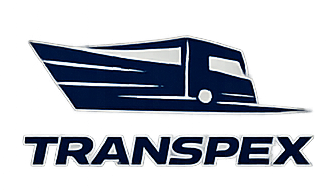
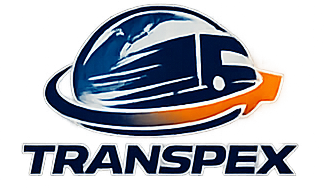
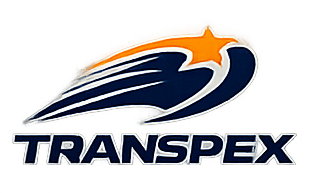
Choosing a logo may seem like a purely creative decision.
But when several concepts are competing, MaxDiff identifies objectively which one has the most impact with the market. MaxDiff removes guesswork - and shows which logo actually works in the market.
This case study was derived from a real study conducted by MaxDiffPro. It has been anonymized for confidentiality: the tested options and results shown here do not correspond exactly to reality. The actual study had the following characteristics:

The timeline depends on the complexity of the study and the target audience.
MaxDiff analysis removes internal bias by forcing respondents to pick the best and worst logo in repeated small comparisons. This trade-off structure produces a reliable preference ranking that reflects real customer perception - far more discriminating than rating scales, which often cluster logos around similar scores. This makes MaxDiff analysis particularly well-suited for branding and logo selection decisions, where small perception differences can have a major impact on brand recognition.
We can design a focused MaxDiff study around your category, audience, and decision.
Typical study: 15–25 items tested · 150–300 respondents · Results in 3–5 days
Book a 20-min demo