Cette étude de cas montre comment l'analyse MaxDiff sur images aide les marques à comparer objectivement les designs d'emballage, y compris tester si les étiquettes existantes restent compétitives face à de nouveaux concepts, avant de s'engager dans une refonte.
Un domaine viticole disposait de 14 visuels d'étiquettes pour sa nouvelle gamme. Deux étiquettes étaient déjà en magasin, tandis que 12 étaient de nouveaux concepts. L'équipe devait vérifier si les visuels existants restaient compétitifs ou devaient être remplacés.
Pour comparer objectivement les 14 maquettes d'étiquettes, le domaine a mené une étude MaxDiff sur images (Maximum Difference Scaling) avec 250 consommateurs. L'étude a été réalisée avec MaxDiffPro, la plateforme AXYZ Analytics pour les études MaxDiff. Les répondants choisissaient à répétition l'étiquette la plus et la moins attrayante dans des ensembles d'images rotatifs, produisant un classement des préférences directement comparable.
Remarquablement, les trois étiquettes les mieux classées sont exclusivement des nouveaux concepts.
Les nouveaux designs dominent les 5 premiers rangs. Les étiquettes existantes reléguées aux positions 6, 7 et 11 avec des scores de 76%, 71% et 42% - un fossé de préférence qui valide un redesign immédiat.
Au lieu de se baser sur des préférences internes, la marque a identifié quels packagings génèrent réellement des ventes en rayon.
Classement MaxDiff basé sur des images, comparant étiquettes existantes et nouveaux visuels
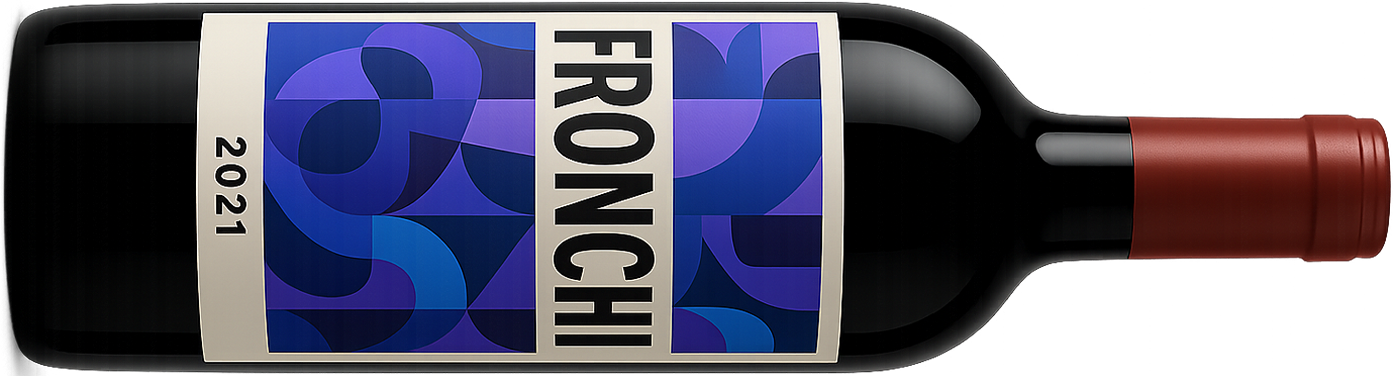
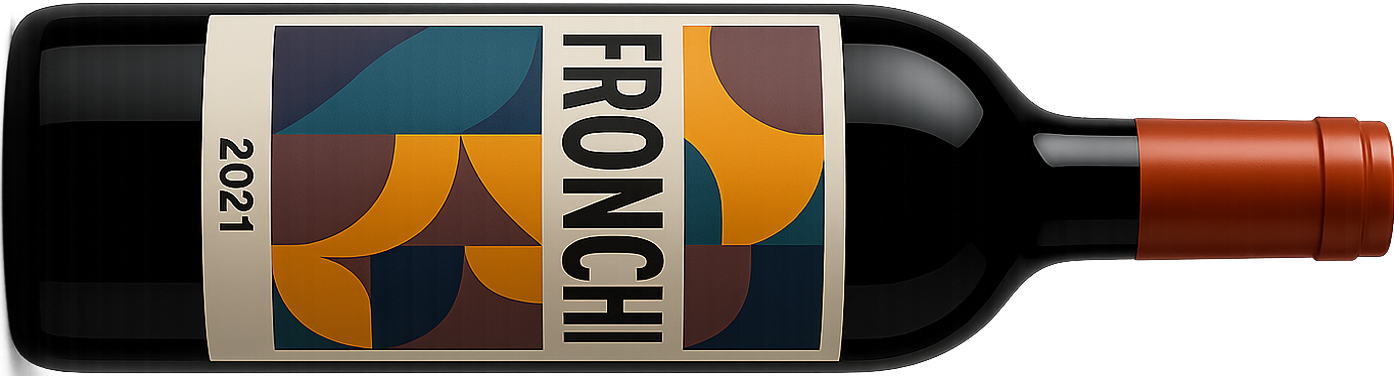
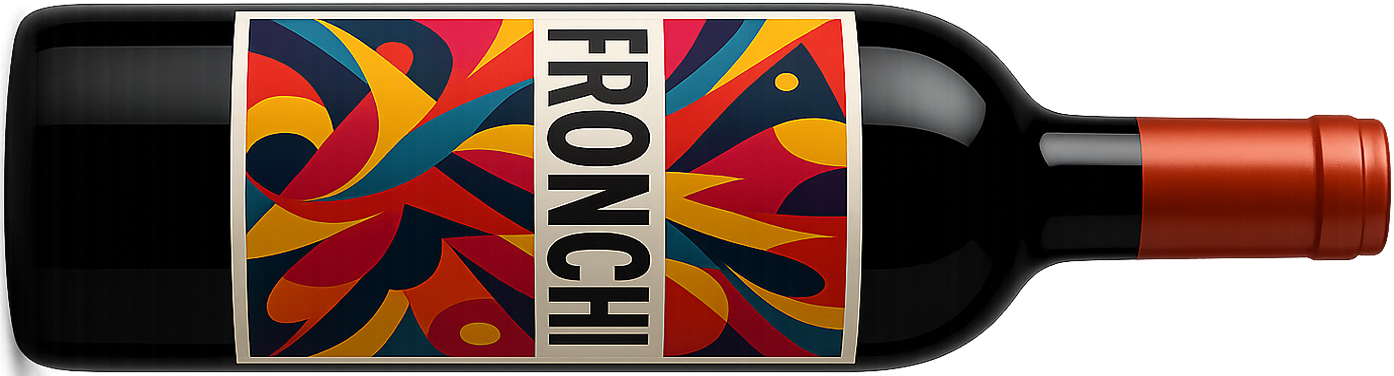
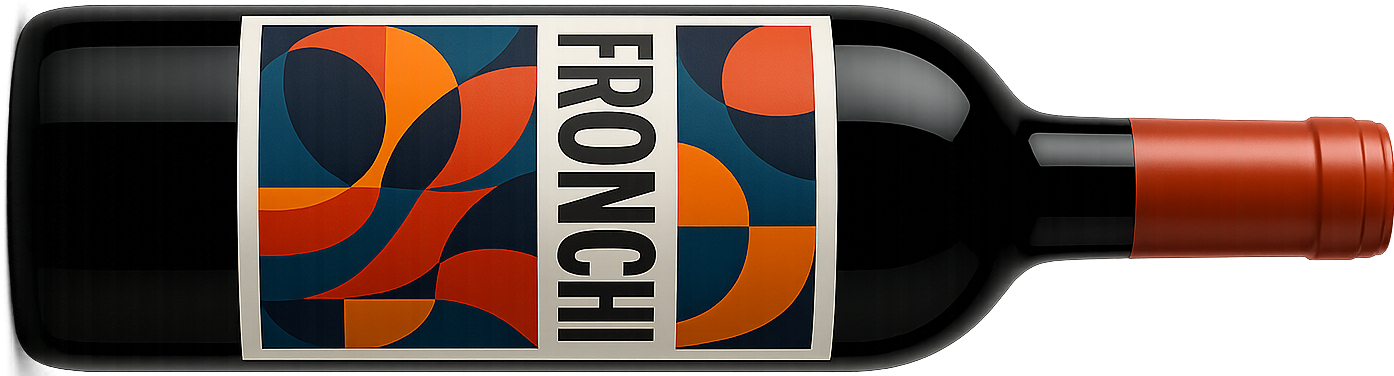
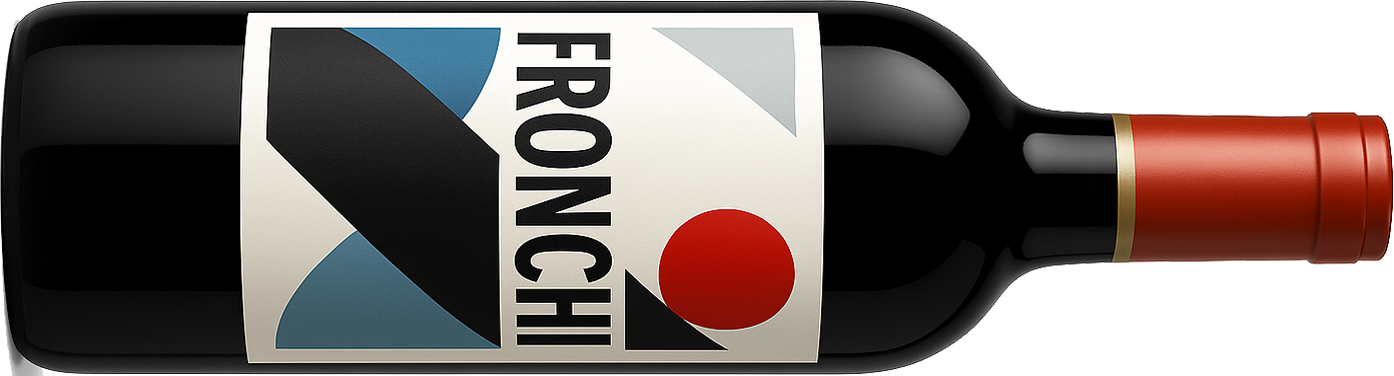
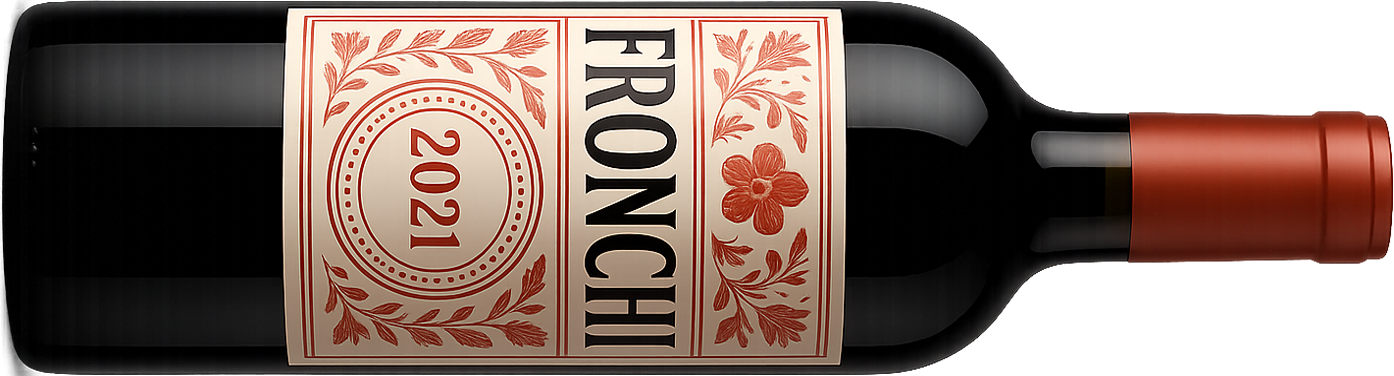
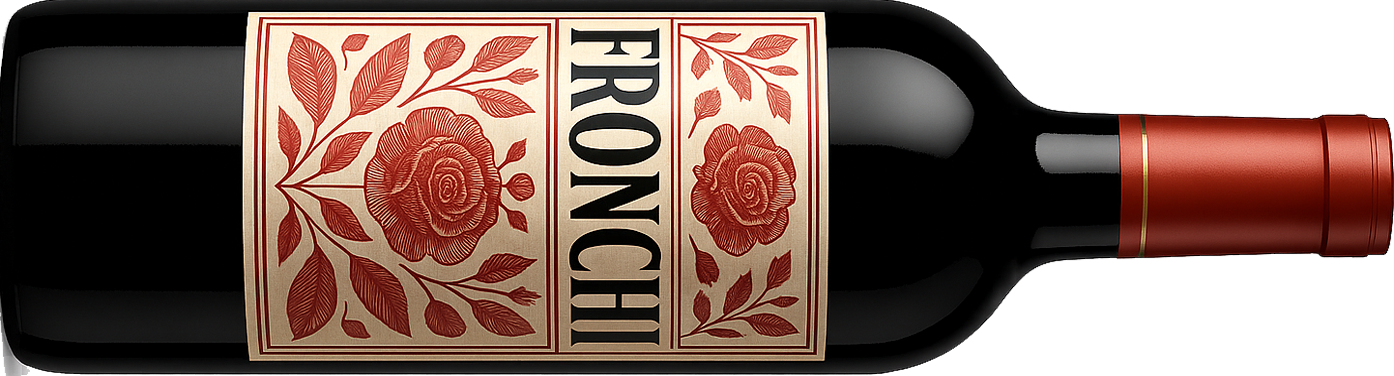
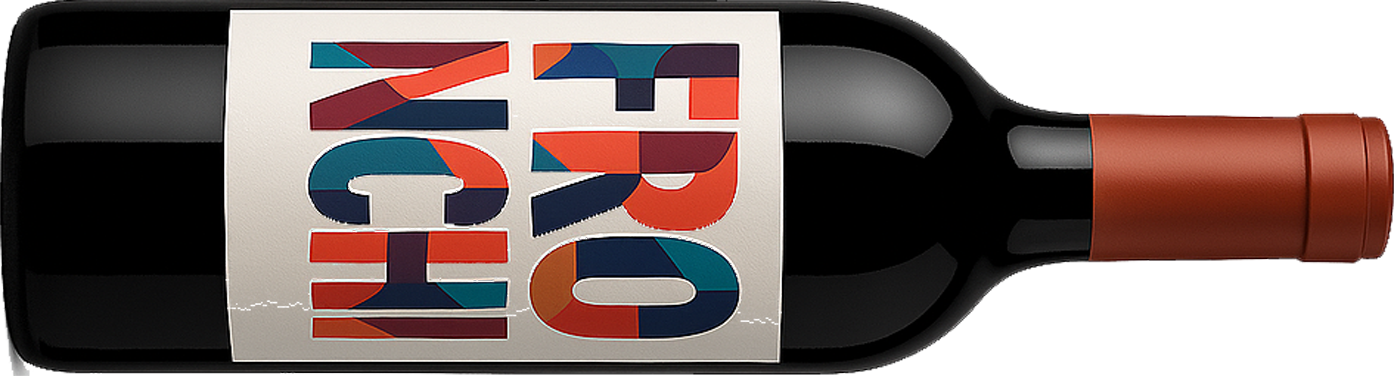
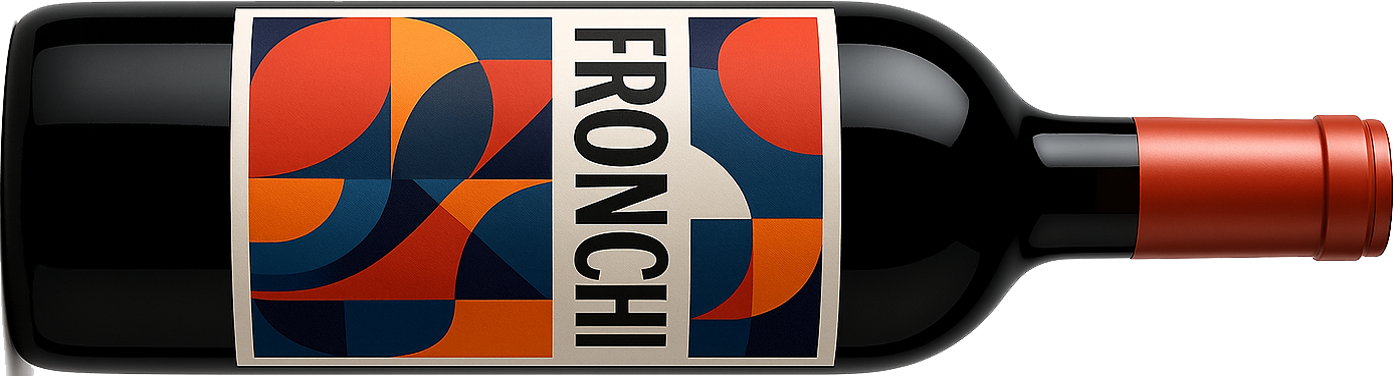
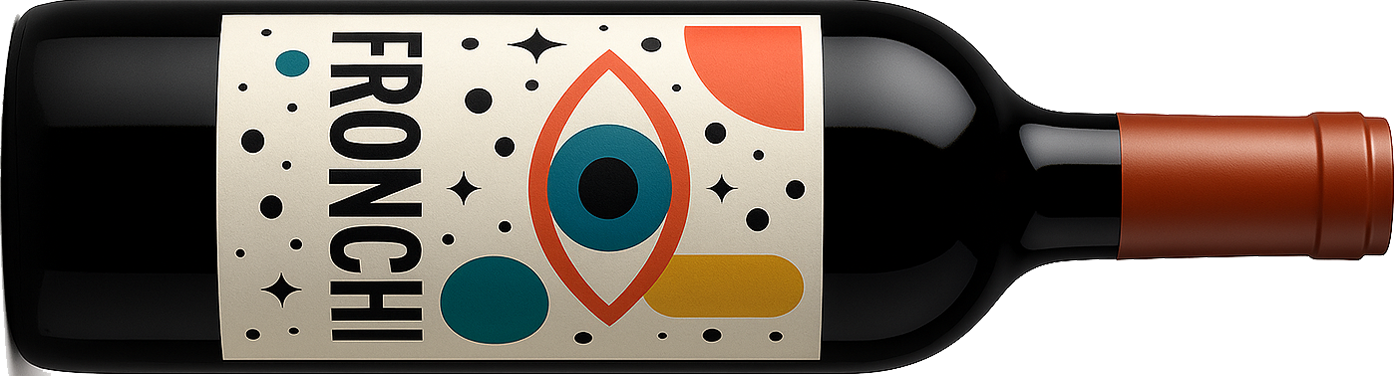
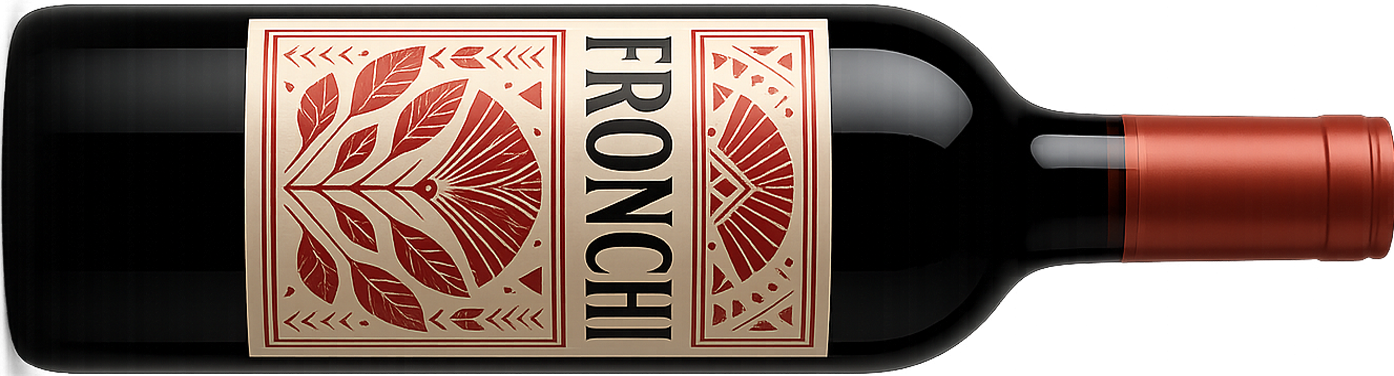
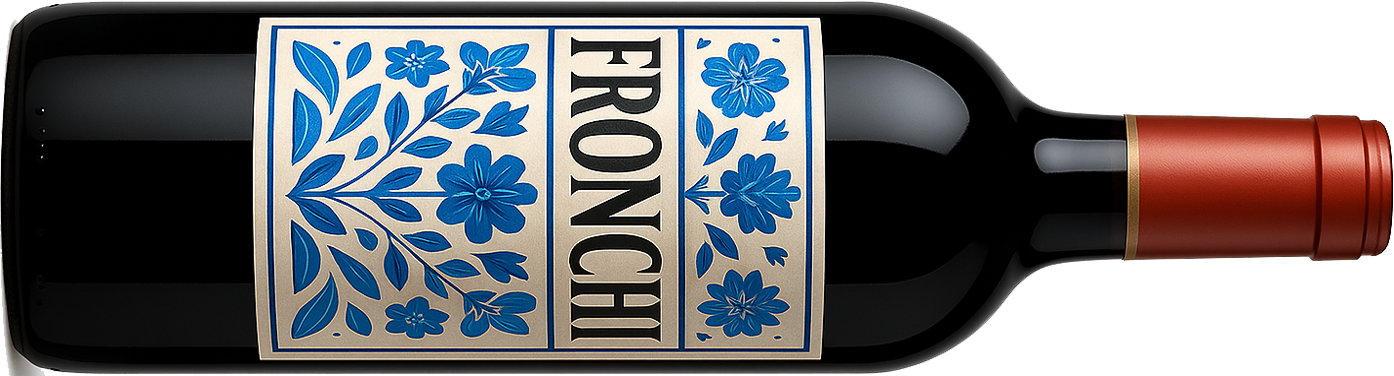
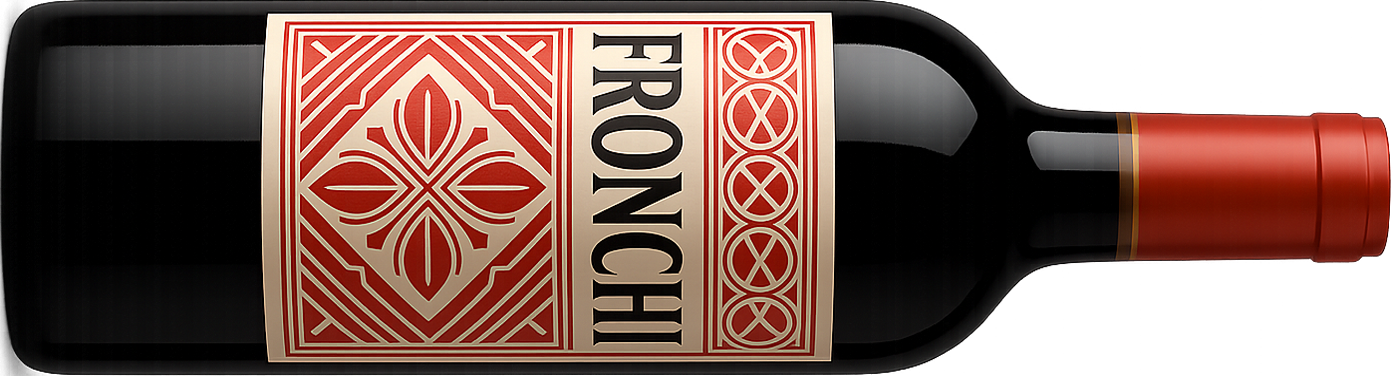
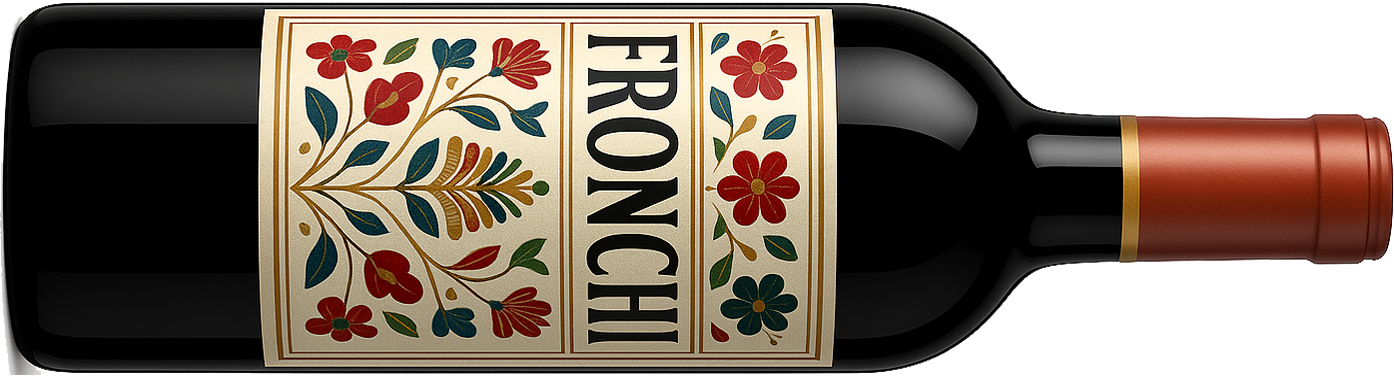
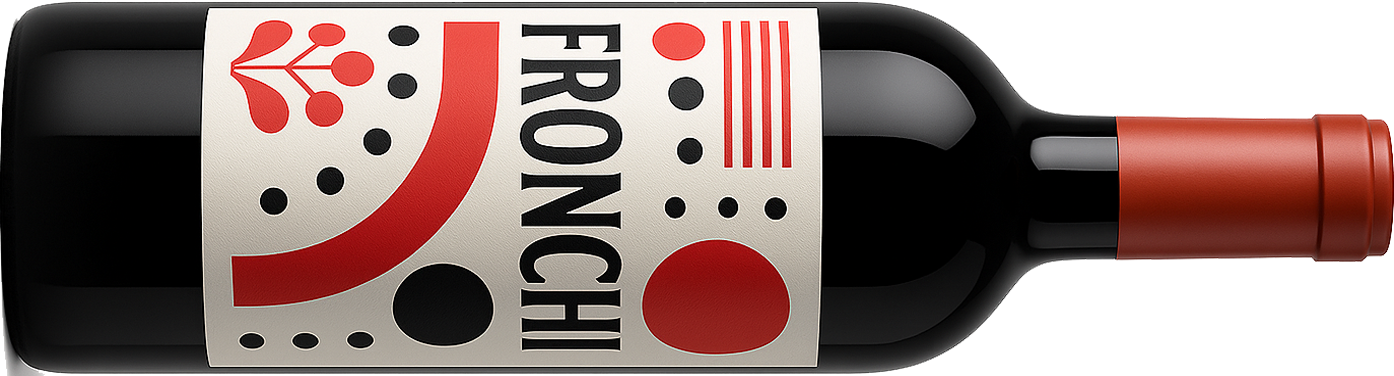
Vous avez livré plusieurs propositions de packaging à votre client. Il hésite. La discussion tourne en rond : chacun a son avis, personne ne tranche.
MaxDiff sort du subjectif : en 4 à 5 jours, vos designs sont soumis à de vrais consommateurs. Le classement est factuel, le choix est justifié. Vous passez de "j'aime bien le 3" à "le marché préfère le 3 à 90%".
C'est un argument de vente pour vous, et une décision sereine pour votre client.
Étude type · 15–35 items testés · 150–200 répondants · Résultats en 4–5 jours
À partir de CHF 1'990.- (100 répondants)
Réserver une démo de 30 minCette étude de cas a été dérivée d'une étude réelle menée par MaxDiffPro. Elle a été anonymisée pour des raisons de confidentialité : les options testées et les résultats présentés ici ne correspondent pas exactement à la réalité. L'étude réelle avait les caractéristiques suivantes :


Les délais dépendent de la complexité de l'étude et de l'audience cible.
L'analyse MaxDiff prend en charge les stimuli visuels : les répondants voient les vraies images d'étiquettes et choisissent la plus attrayante et la moins attrayante dans chaque ensemble. Cela produit un classement fiable des préférences visuelles, exempt du biais de politesse qui fausse les résultats des groupes de discussion. La méthode compare aussi directement les emballages existants aux nouveaux designs, ce qui en fait le moyen le plus efficace de valider une décision de refonte avant de s'engager dans les coûts de production.
Nous pouvons concevoir une étude MaxDiff ciblée sur votre catégorie, votre audience et la décision à prendre.
Étude type : 15–25 items testés · 150–300 répondants · Résultats en 3–5 jours
Réserver une démo de 30 min